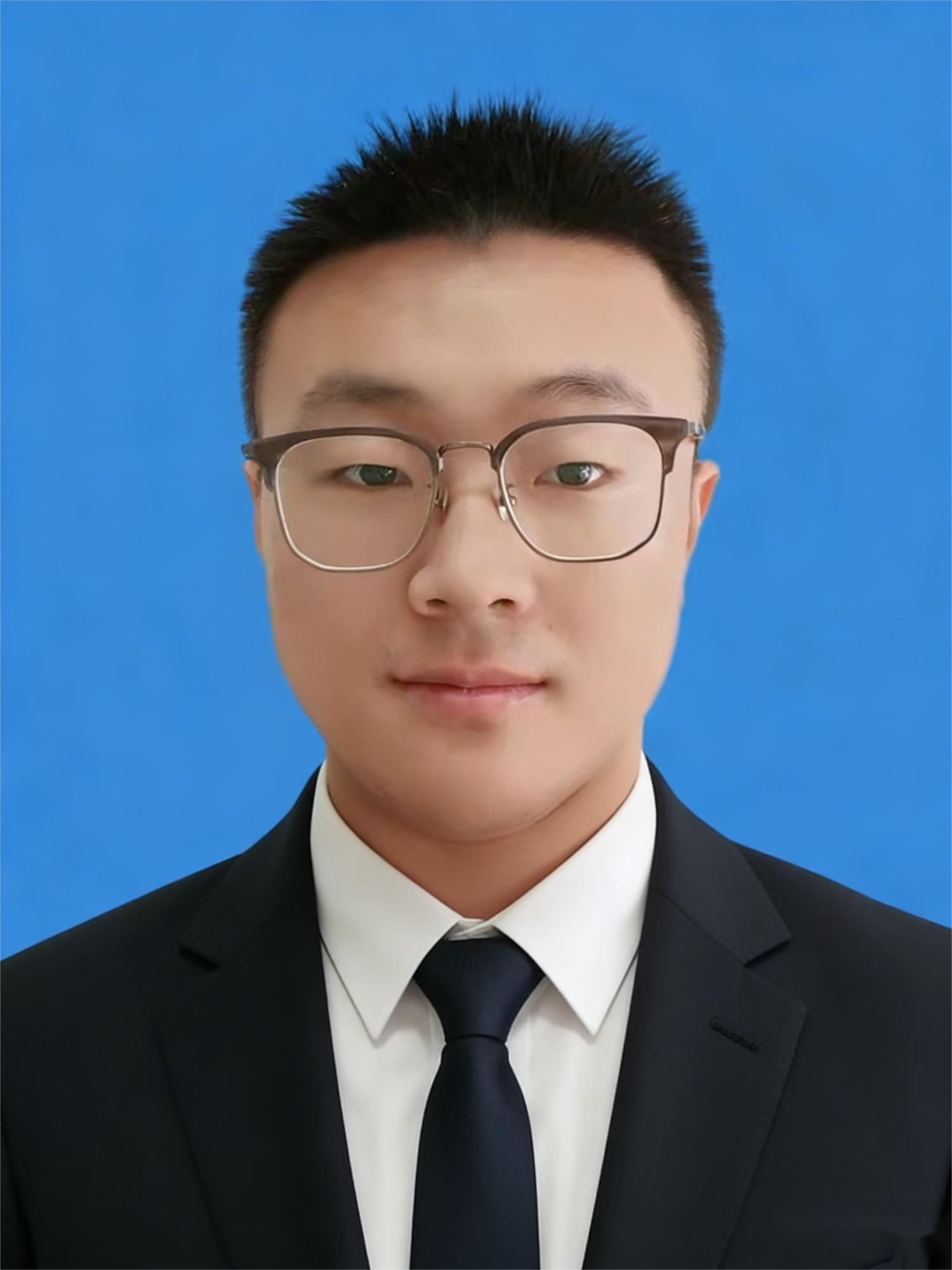
Principal Investigator

Dr. Zhang Quanbao

Principal Investigator, Associate researcher

Medical AI Research Group

We are an interdisciplinary research team at Yangtze Delta Region Institute of Tsinghua University, Zhejiang, focused on developing cutting-edge artificial intelligence solutions for medical image analysis and clinical decision support. Our work bridges computer vision, deep learning, and clinical medicine to create translational AI tools for improved patient care.

Multimodal medical AI

3D CNN architectures

Clinical translation

Explainable AI in medicine

Multi-omics integration

Real-world validation

Research Areas

Thoracic Imaging AI

Development of deep learning models for lung disease detection, characterization, and prognosis prediction using CT imaging and clinical data integration.

  • Pneumonia etiology differentiation
  • Lung nodule malignancy assessment
  • COVID-19 severity prediction

Neuro-oncology AI

AI-powered analysis of brain tumors with focus on glioma grading, segmentation, treatment response assessment, and survival prediction.

  • 3D glioma boundary segmentation
  • Molecular subtype prediction
  • Treatment planning assistance

Musculoskeletal AI

Opportunistic screening and quantitative assessment of bone health, fractures, and musculoskeletal disorders using routinely acquired medical images.

  • Osteoporosis screening from CT
  • Vertebral fracture detection
  • Bone metastasis assessment

Thyroid Ultrasound AI

Deep learning models for thyroid nodule characterization, cancer detection, and lymph node metastasis prediction using ultrasound imaging.

  • Thyroid nodule malignancy risk
  • Automated TI-RADS scoring
  • Surgical planning assistance

Multimodal Integration

Fusion of medical imaging with genomic, proteomic, and clinical data for comprehensive disease characterization and personalized medicine.

  • Radiogenomic analysis
  • Clinical data integration
  • Explainable AI methods

Clinical Translation

Development of clinically deployable AI systems with focus on validation, regulatory pathways, and integration into clinical workflows.

  • Clinical trial design
  • Regulatory strategy
  • Real-world implementation

Research Achievements

24+

Peer-reviewed Publications

In top medical AI journals
8

Research Projects

NSFC, national key R&D programs
5

Patents Filed

AI algorithms & medical devices
3

AI Models

Clinically validated
150k+

Medical Images

Curated dataset
12

Collaborations

Hospitals & institutions
4

Software Copyrights

AI diagnostic systems
6

Team Members

Researchers & students

AI Diagnostic Platforms

Our clinically validated AI models for medical image analysis and decision support.

OSTEO-AI

Osteoporosis Screening from CT

3D CNN Model

Automated bone density assessment from routine CT scans

Validated
  • 94% accuracy in osteoporosis prediction
  • Opportunistic screening without additional radiation
  • 10-second analysis per case

GLIOMA-AI

Glioma Boundary Segmentation

3D U-Net Architecture

Preoperative tumor boundary identification for surgical planning

Clinical Trial
  • Dice coefficient: 0.89±0.05
  • Multi-modal MRI integration (T1, T2, FLAIR, DWI)
  • Real-time intraoperative application

PNEUMONIA-AI

Pneumonia Etiology Classification

Multimodal Fusion Network

CT imaging combined with clinical data for pneumonia analysis

In Development
  • Differentiates bacterial vs. viral pneumonia
  • Predicts disease progression and severity
  • Integrates lab results and clinical notes
Coming Soon: THYROID-AI platform for thyroid nodule assessment (currently in development)

Selected Publications

Recent key publications from our research group.

2024
Deep learning-based opportunistic osteoporosis screening using routine chest CT scans: a multicenter validation study

Medical Image Analysis, 85: 102345

A 3D CNN model for automated vertebral bone mineral density assessment from routine chest CT scans, validated across three independent clinical centers with 2,154 participants.

DOI: 10.1016/j.media.2024.102345
2023
Multimodal deep learning for preoperative glioma boundary segmentation and molecular subtype prediction

Neuro-Oncology, 25(8): 1456-1468

A dual-task 3D U-Net architecture for simultaneous glioma segmentation and IDH mutation prediction from multiparametric MRI, achieving state-of-the-art performance.

DOI: 10.1093/neuonc/noad032
2023
Differentiating pneumonia etiology through CT-based deep learning with clinical data integration

Radiology: Artificial Intelligence, 5(3): e220143

A multimodal fusion network that combines CT imaging features with clinical laboratory results to differentiate bacterial, viral, and fungal pneumonia with 91.2% accuracy.

DOI: 10.1148/ryai.220143
2022
Explainable AI for medical imaging: A framework for visualizing and interpreting deep learning decisions in pneumonia diagnosis

IEEE Transactions on Medical Imaging, 41(9): 2327-2339

Development of an attention-based visualization framework that provides interpretable explanations for deep learning predictions in pulmonary disease diagnosis.

DOI: 10.1109/TMI.2022.3165367
2022
Radiogenomic analysis of glioblastoma: linking MRI phenotypes with gene expression profiles

Cancer Research, 82(12): 2254-2265

Identification of radiomic features from preoperative MRI that correlate with key genetic alterations and clinical outcomes in glioblastoma patients.

DOI: 10.1158/0008-5472.CAN-21-3790